















Horse Guide
Welcome to our Horse Guide! 🐴✨
Here you’ll find a wide selection of informative articles on all aspects of horse husbandry, health and care. Whether you’re looking for information on grazing, safe horse transport or important topics such as mud fever, summer eczema, PSSM, EMS and navicular disease – we’ve put together some valuable tips and advice for you. You’ll also find answers here to questions about proper worming and plants that are toxic to horses. Have a browse through our articles and find out how you can best look after your horse! 💙


All blog posts
Coughing in Horses
The sudden change in the weather from autumn to winter has taken place, and you can already hear horses coughing from the stables, the indoor arena or the paddock.
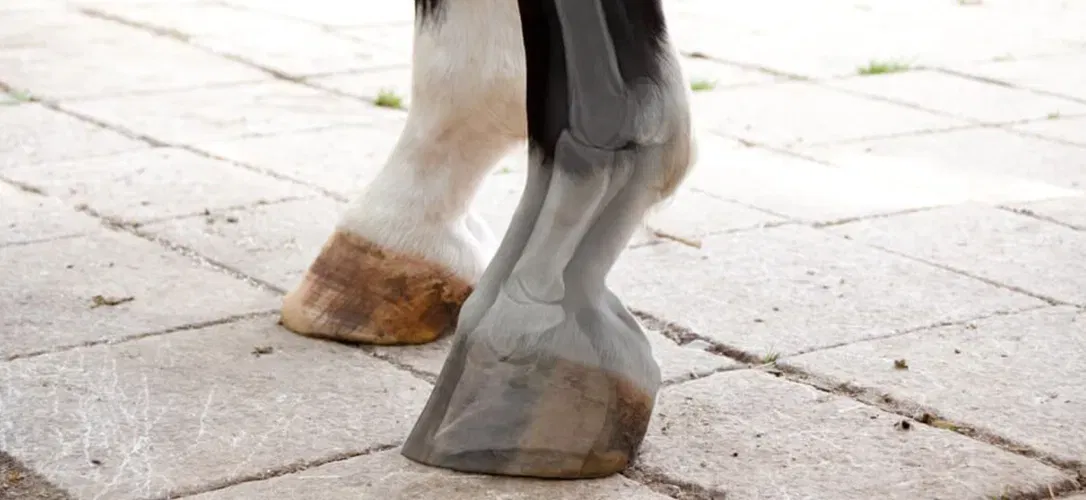
Osteoarthritis in horses – is there any help available?
Feared, irreversible and incurable: a diagnosis of ‘osteoarthritis’ often spells the end for sport and leisure horses. Are there ways and means of halting the progression of osteoarthritis?
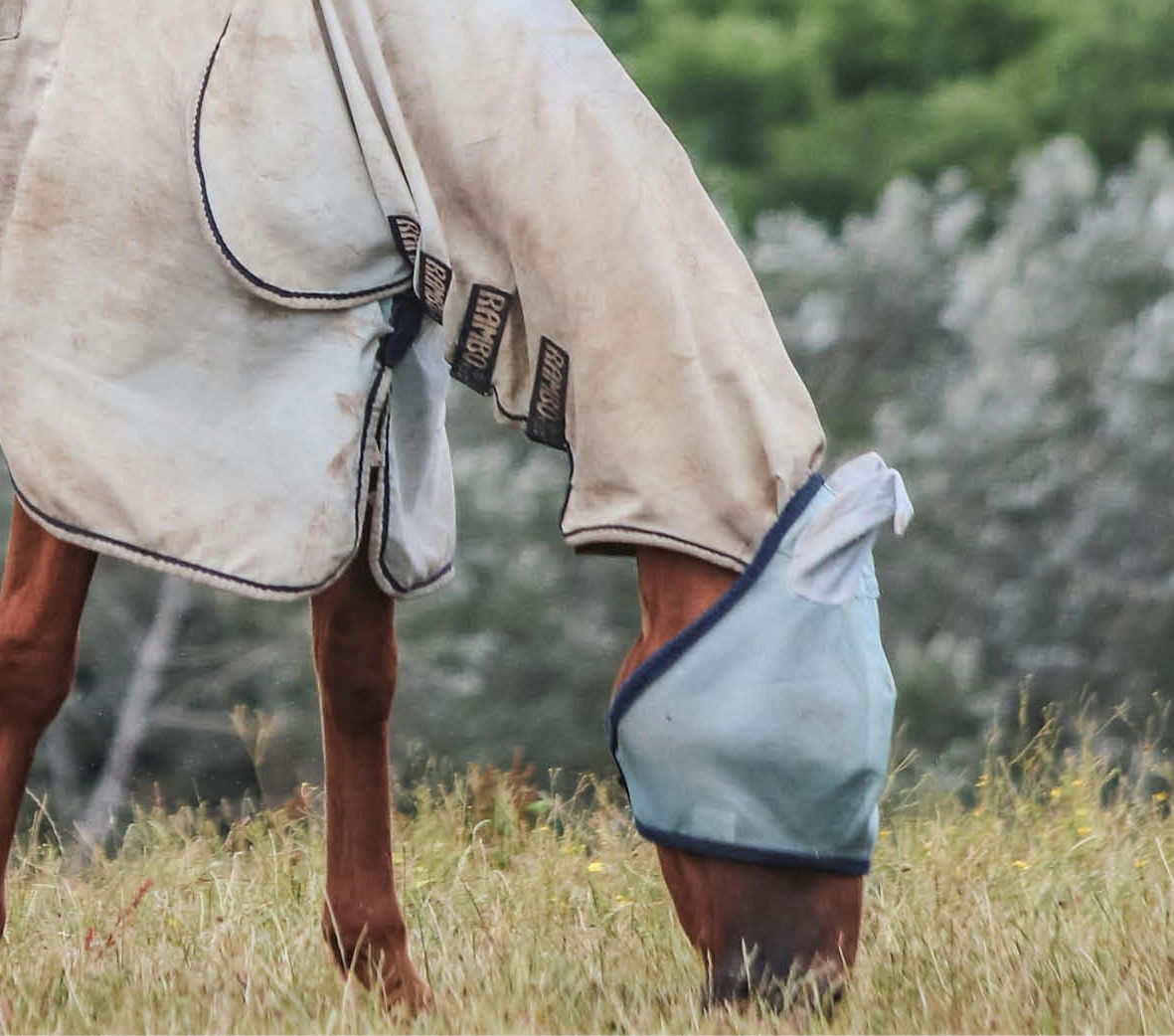
Summer eczema in horses
Every spring, the itching season starts all over again and usually doesn’t end until winter sets in. We’ve got a few tips to help relieve your horse’s discomfort and provide information on summer eczema.
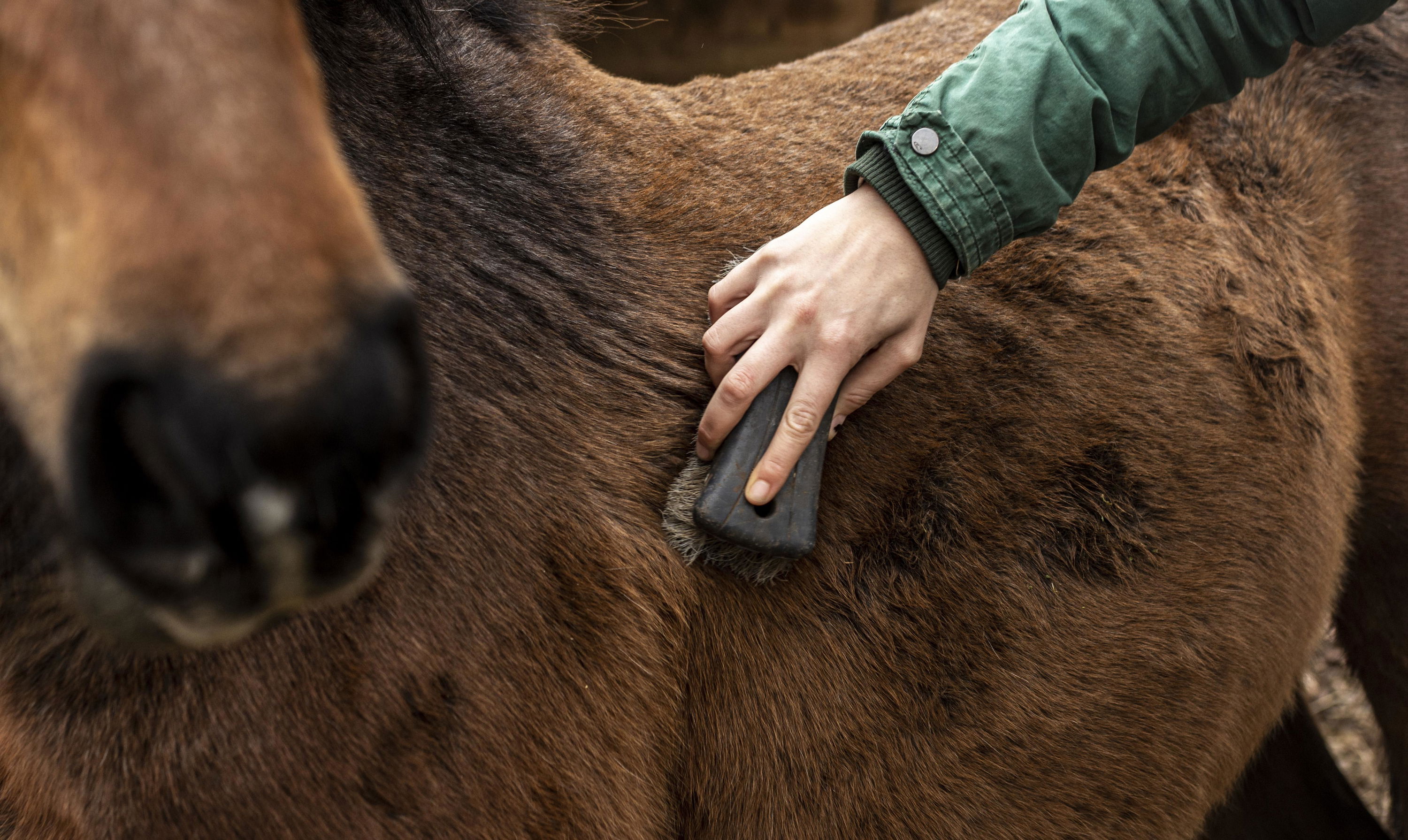
The liver and kidneys are under a great deal of strain during the moulting season!
The change of coat, and the resulting increase in metabolic demand, can put excessive strain on the liver and kidneys. Even the slightest signs should serve as warning signals for horse owners.
The horse’s immune system
Mud fever, summer eczema, equine sarcoids and many other conditions are indicative of a weakened or overactive immune system in horses.
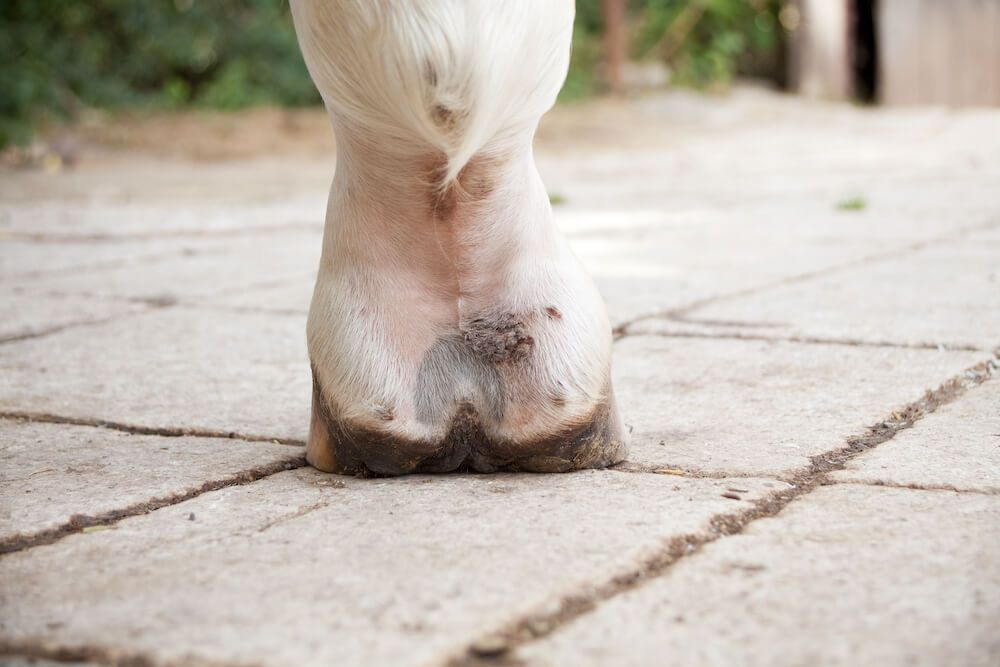
Mud fever in horses
Equine mud fever is a persistent skin inflammation that mainly occurs in the pastern area during cold, wet weather. In this blog post, you can find out about the causes and effective treatment options.

Fecal water in horses
The gaunt grey horse stands there wearily, licking the bolt and lifting its tail – brown liquid is trickling down over its hocks. It’s faecal water again!
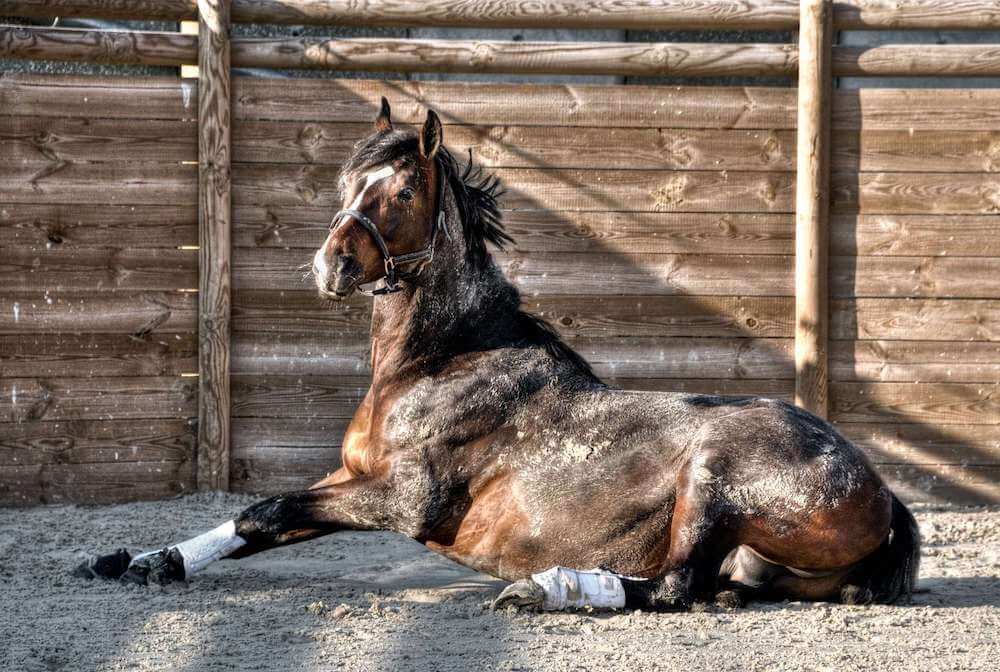
Colic and horse fever – is there a connection?
A horse’s sensitive digestive system is designed to cope with low-energy feed. Feeding, circulatory problems and hormonal fluctuations, particularly during oestrus, increase the risk of colic.
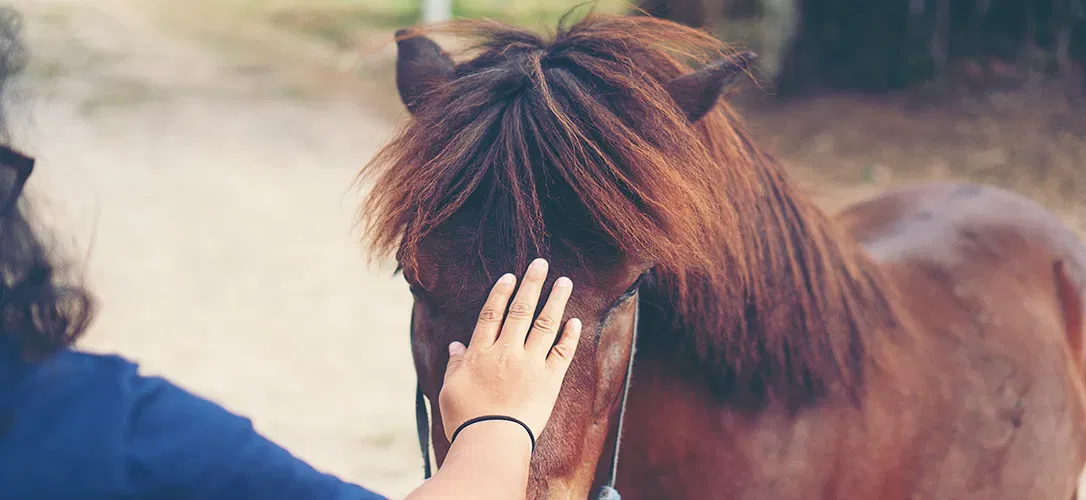
Stomach ulcers in horses
You see them everywhere – irritable, overly submissive or nervous horses that stand out because they resist being girled and grind their teeth. Often dismissed as simply a ‘matter of temperament’, there may well be something else entirely behind it: abdominal pain.
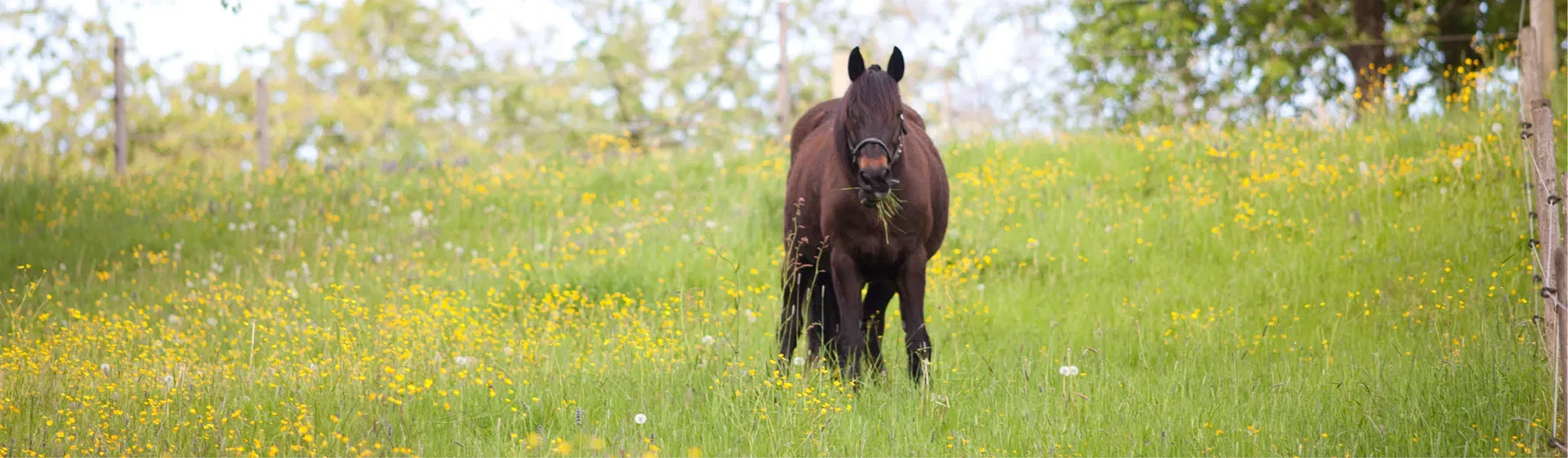
EMS in horses
Excess weight and a lack of exercise in horses are often the causes of serious metabolic disorders.
KPU – a controversial metabolic disorder
If the liver, kidneys and bowels are constantly overburdened, the risk of metabolic disorders increases.
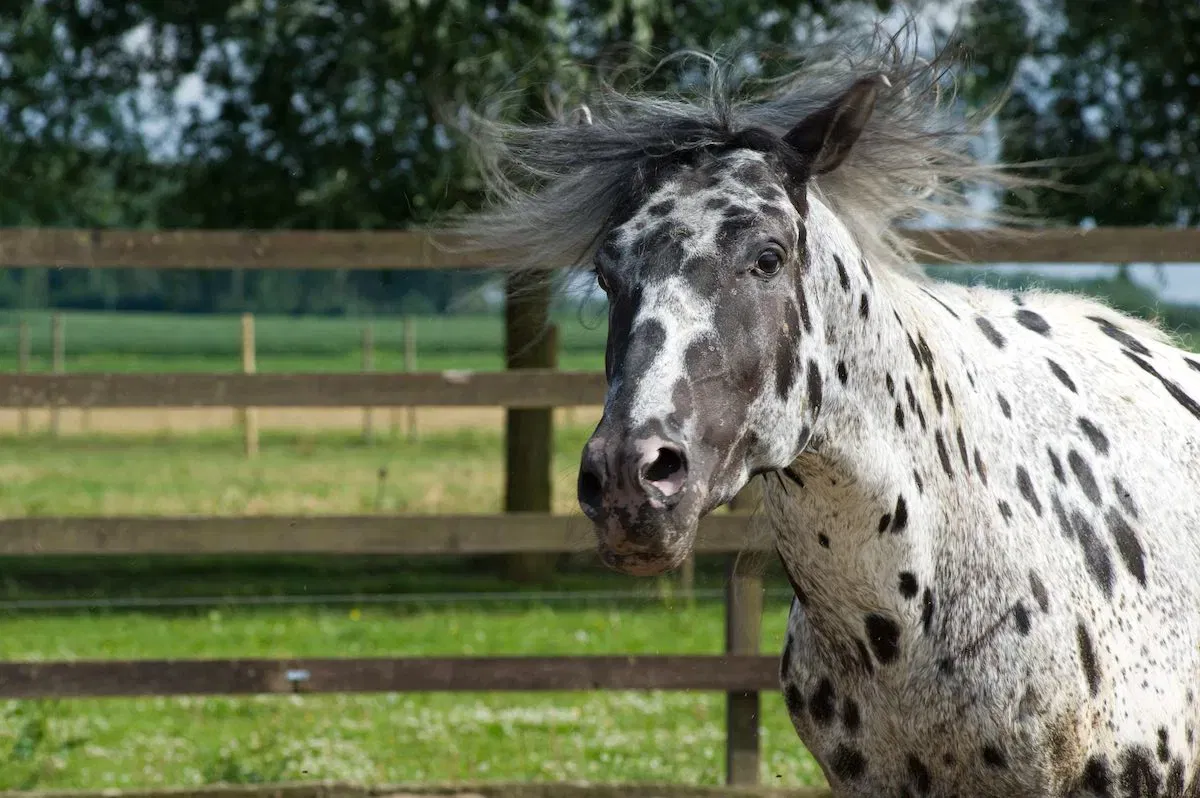
Headshaking in horses
What is headshaking? Find out about the symptoms and causes, as well as treatment options. Adaptogenic plants offer hope...
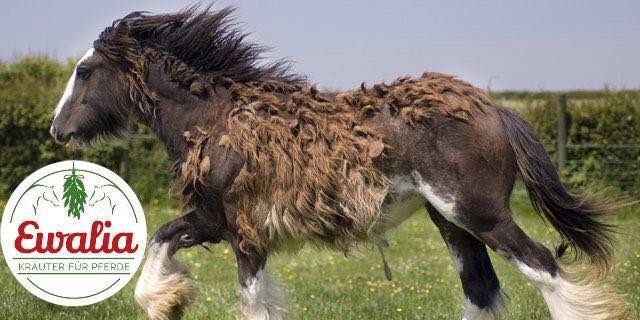
Cushing’s disease in horses
Is your horse showing noticeable changes in behaviour or appearance, such as problems with the coat change, laminitis or fat deposits? If so, it may be suffering from equine Cushing’s syndrome (ECS).
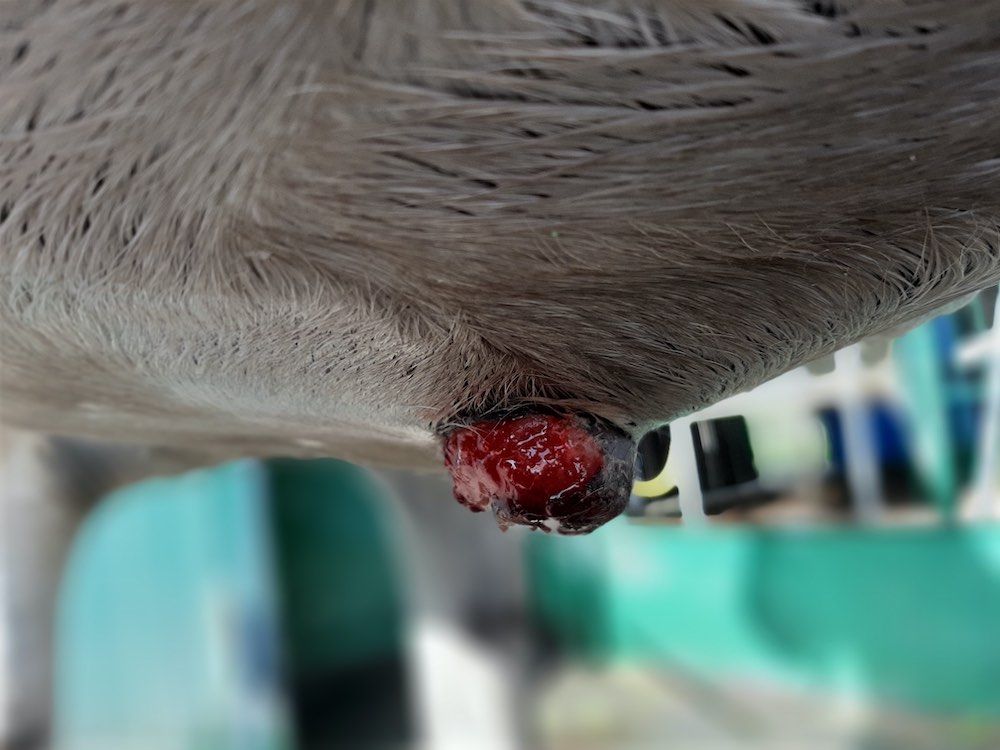
Equine sarcoid
Equine sarcoid is the most common skin tumour in horses. There are various surgical and topical treatments available, but the recurrence rate is high. The prognosis ranges from good to guarded.
Muscle development in horses
A horse’s musculature is the most important factor in keeping it healthy. Read on to find out how you can naturally support your horse’s muscle development.

Kissing Spines
Kissing Spines refers to a condition in horses in which the upward-projecting spinous processes of the spine touch one another. However, this does not necessarily mean the end of the horse’s career.
PSSM in horses
Polysaccharide storage myopathy is a progressive disorder of the horse’s skeletal muscles that leads to acute and very painful symptoms. A distinction is made between PSSM1 and PSSM2.
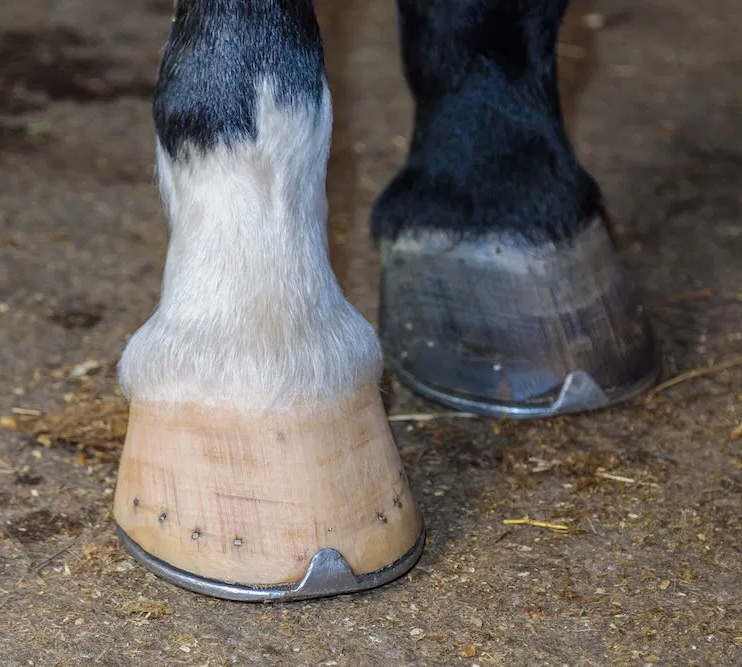
Inflammation of the hoof roll in horses
The so-called ‘foreshoe’ is a nightmare for ambitious riders: podotrochlosis (foreshoe inflammation, foreshow syndrome) is one of the most common causes of chronic lameness in riding horses.
A nervous horse – strengthening the nerves and relieving stress with herbs
Stress and anxiety can have a significant impact on your horse’s wellbeing and training. The good news is: there is natural help available – you can provide your horse with the best possible support using special herbs.
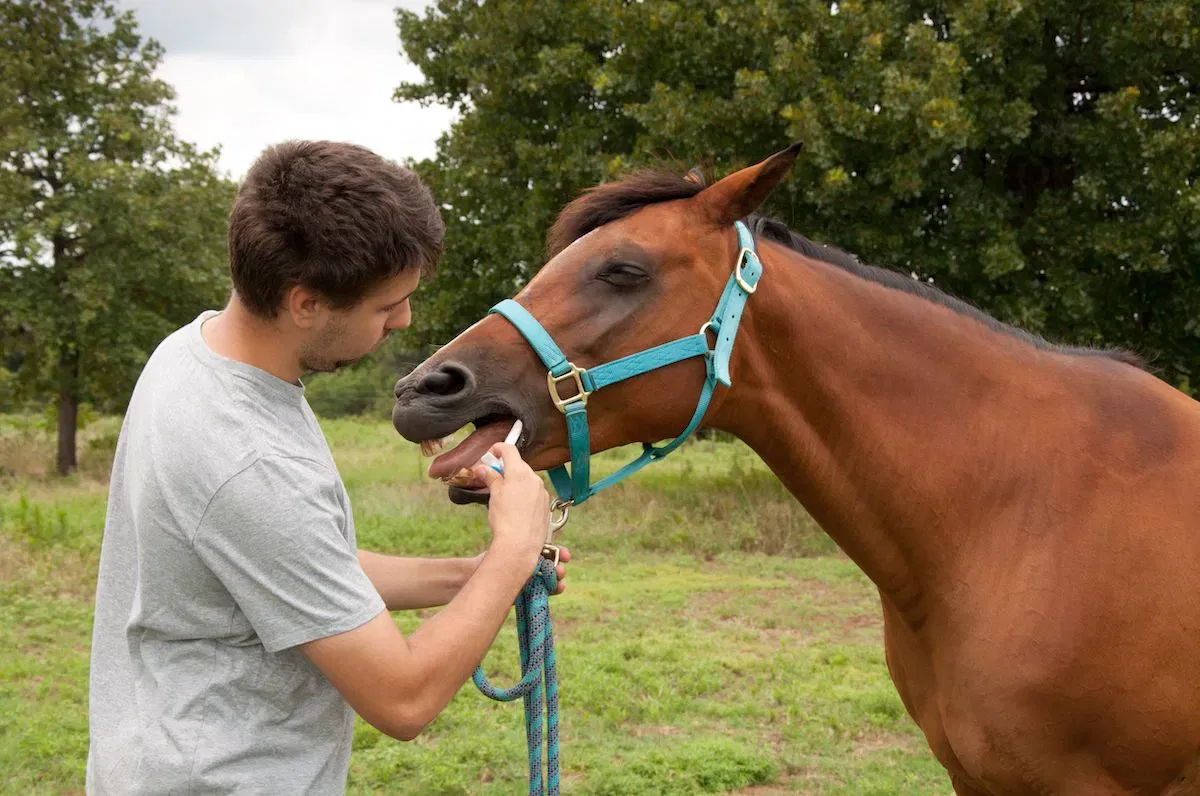
Deworming horses: strategic, selective or natural?
Deworming horses is a tricky subject: How often should horses be dewormed? What should I use to deworm my horse? Should I opt for strategic, selective or ‘natural’ deworming?
Borreliosis (Lyme disease) in horses
Borreliosis (Lyme disease) causes a wide variety of symptoms in horses, and treatment is often ineffective.
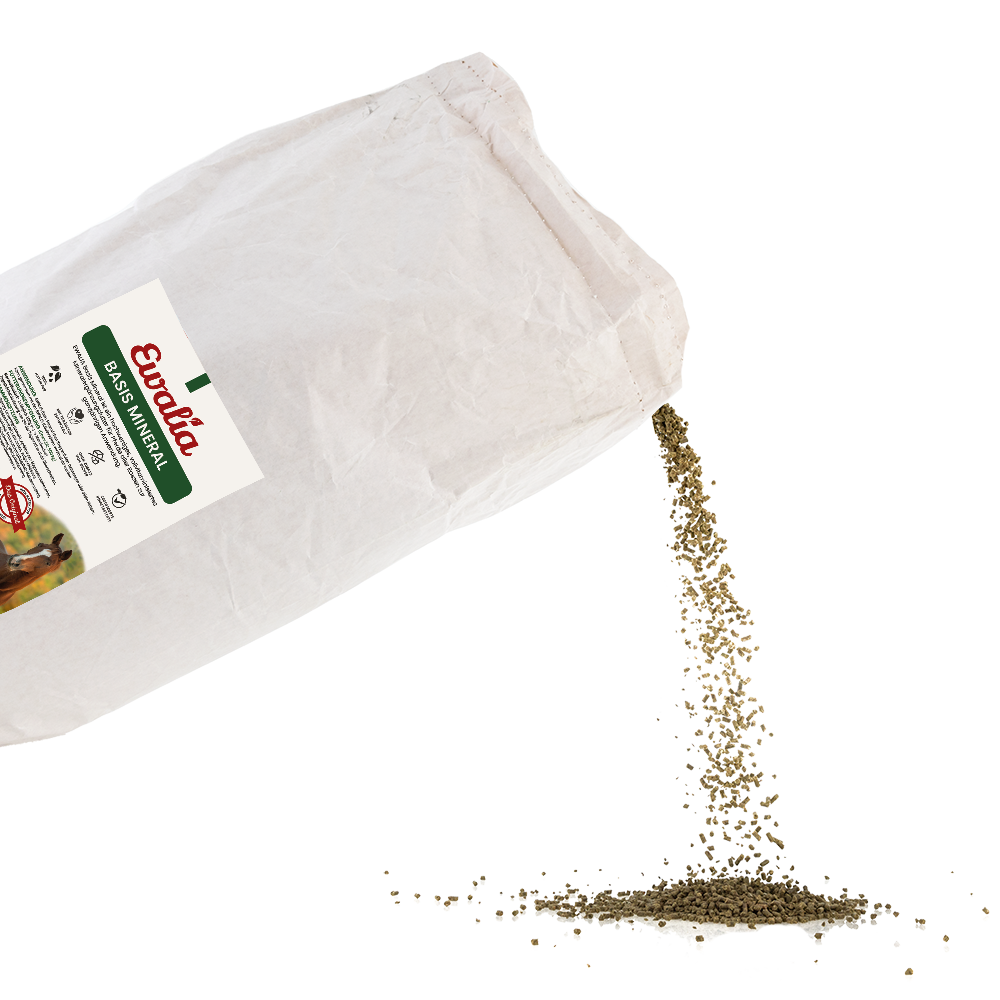
EWALIA Basic Mineral
We have developed a mineral base mix that is ideal for meeting the nutritional needs of many horses.
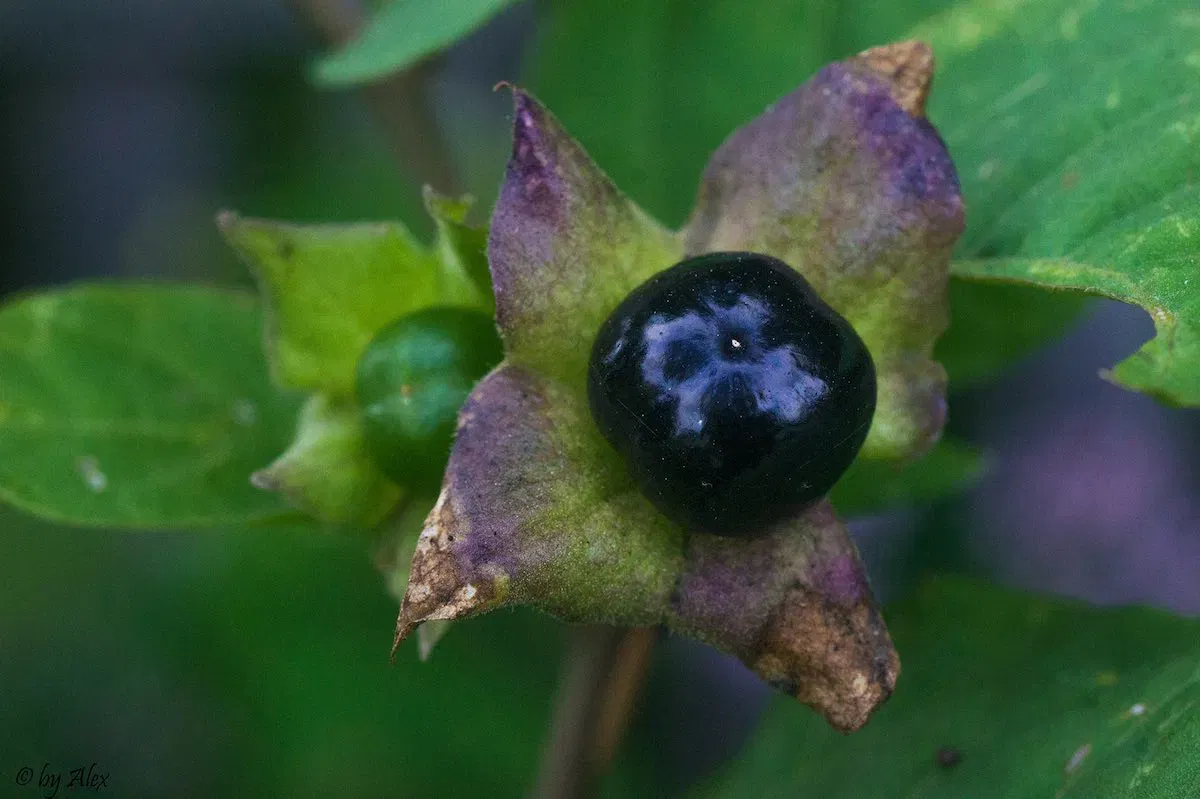
Plants that are poisonous to horses
“All things are poison, and nothing is without poison; it is the dose alone that determines whether a thing is poisonous or not.”
Avoid electrolyte deficiency!
It is particularly during periods of intense physical exertion and in hot weather that the body needs a rapid supply of electrolytes and nutrients.
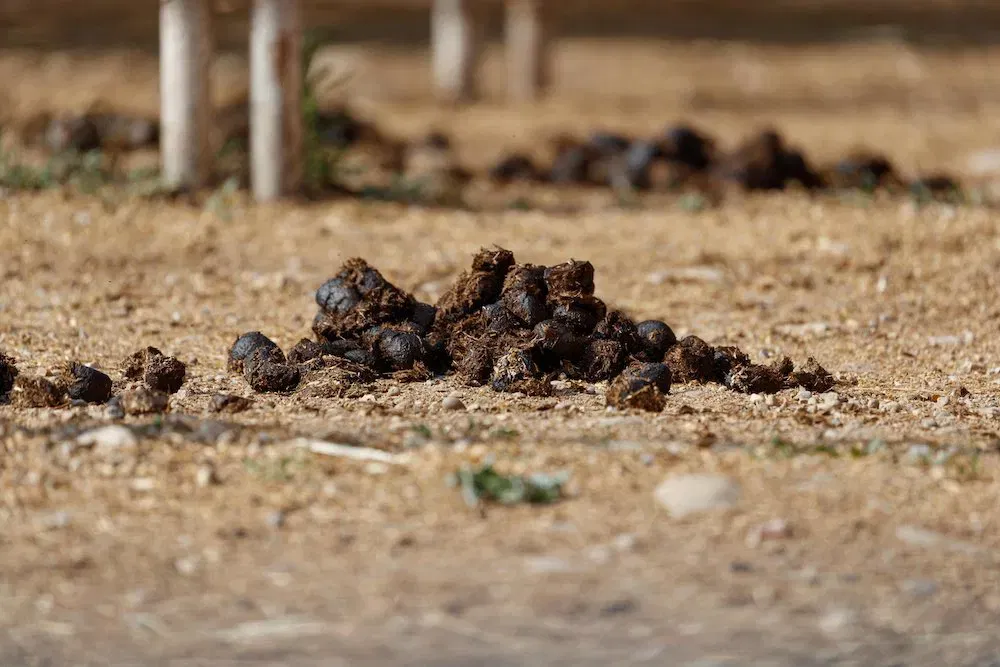
Faecal sample – what is analysed in horse faeces?
Analysing a faecal sample in the laboratory is a well-established method for detecting intestinal parasites in horses.
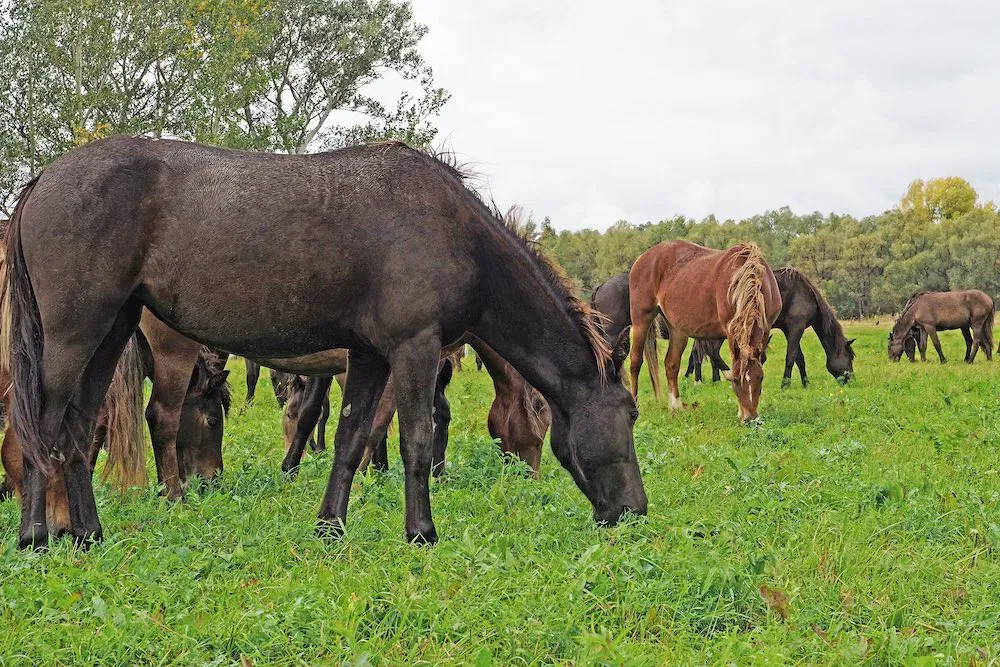
Grazing horses properly
Spring grazing is a joy. But be careful: switching to pasture grass too quickly carries the risk of diarrhoea, colic and, in the worst case, laminitis.
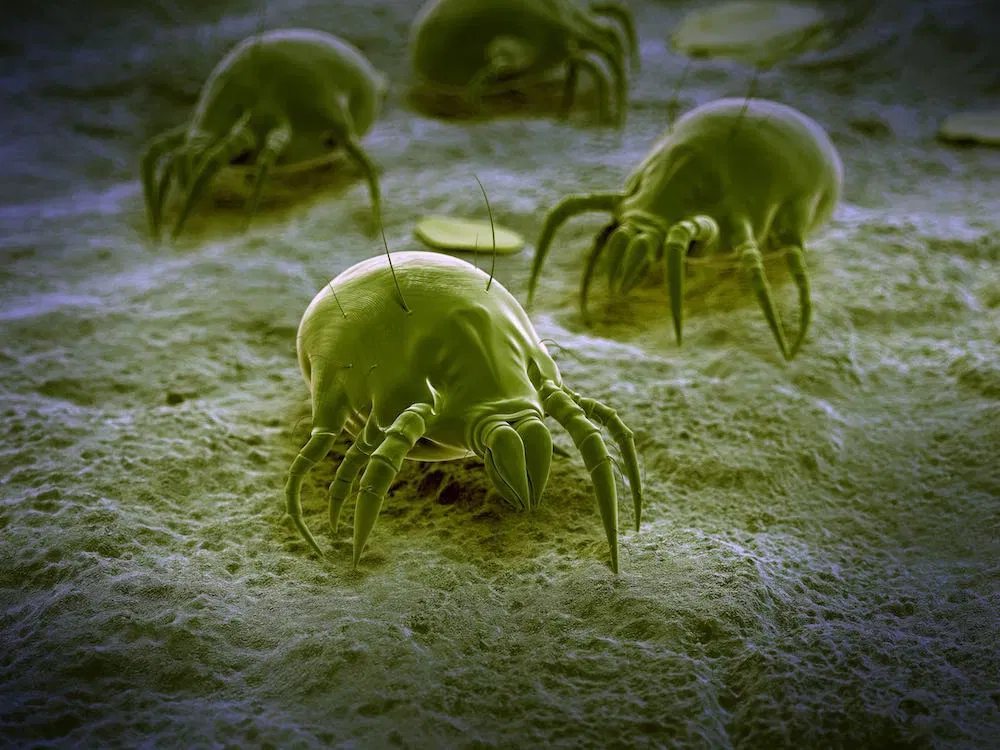
Mites in horses
Mites are everywhere. These eight-legged arachnids inhabit our homes and our horses’ stables, and some species also live on or in the horse’s skin.
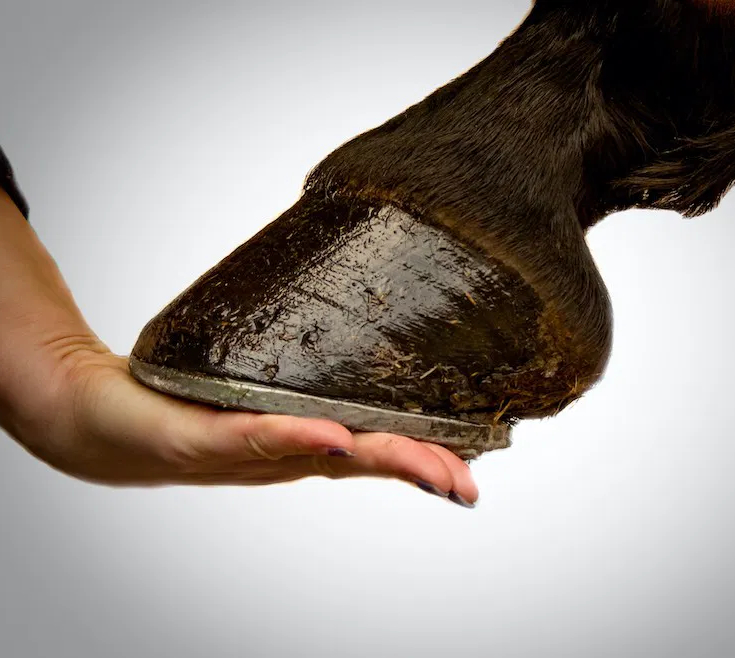
Poor hoof condition in horses
Hoof problems can put your horse out of action for a long time! A horse can only perform to its full potential if its hooves are stable and resilient.
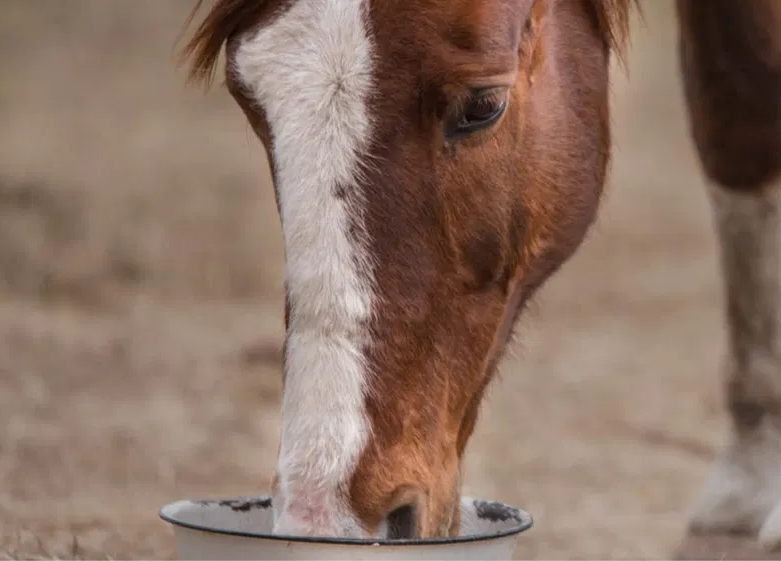
Selenium deficiency in horses
Selenium is an essential trace element, but taking too much of it can have adverse effects. Here, we discuss individual selenium requirements, signs of deficiency and toxicity, and the impact of soil fertilisation on roughage.

Five tried-and-tested strategies for stress-free horse transport
Does the mere sight of the trailer cause your horse stress? Does it refuse to get in, or is it restless during the journey? If so, it is probably suffering from transport stress – a common problem for horse owners.
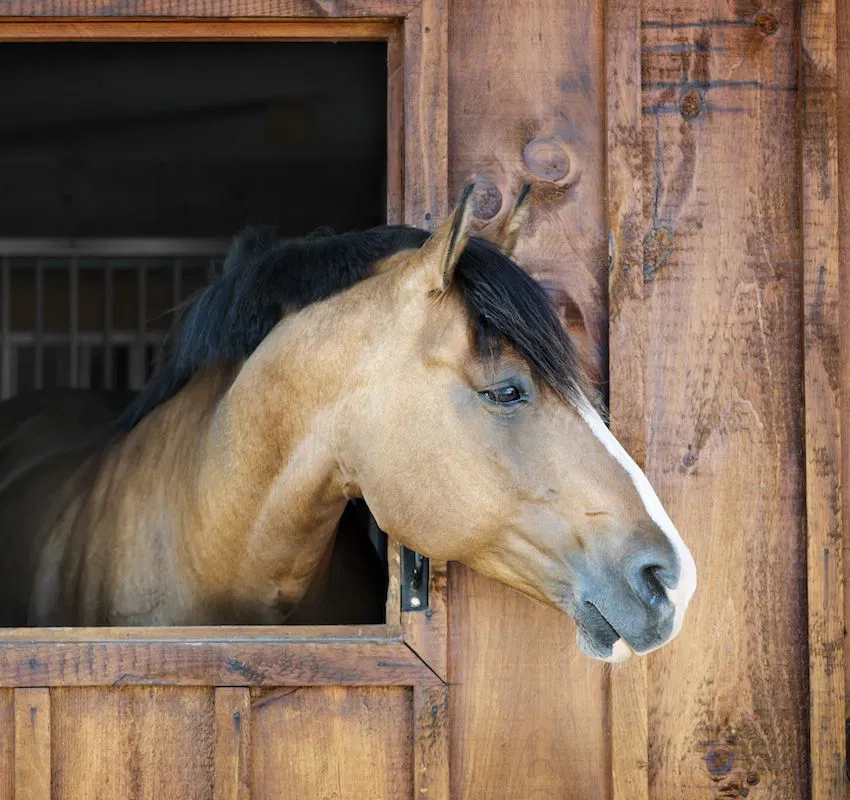
Changing stables – a challenge for both horse and rider
Read on to find out why horses have problems when they change stables and how you can help your horse settle into its new stable.

Roughage for horses: hay, haylage or silage – which is the healthiest option?
Roughage forms the basis of a species-appropriate diet for horses. However, not all types of roughage are equally suitable for horses
Chemical vs. Natural Deworming
Diagnosing worms involves carrying out a faecal examination and counting the number of worm eggs per gramme of faeces.
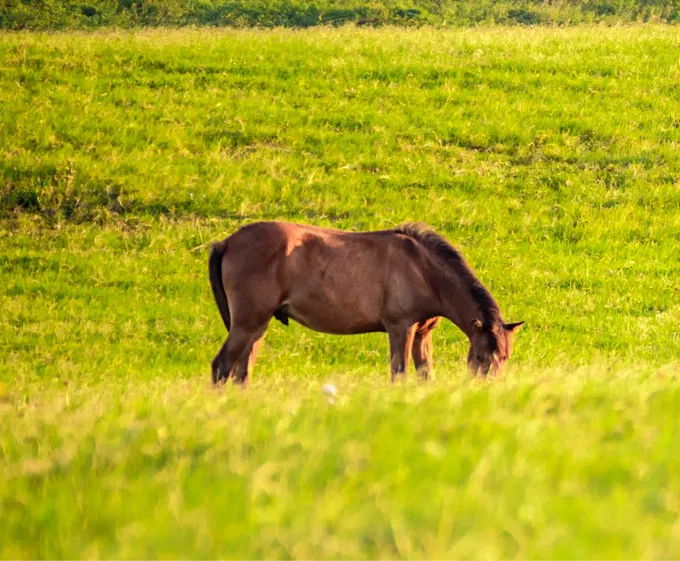
24-Hour Grazing for Horses – Is More Always Better?
How suitable is this really for our horses? Read on to find out where problems might arise and what you should bear in mind before deciding on 24-hour grazing.
Efficacy of a herbal mixture as a feed supplement for headshaking – a preliminary study
Documentation on the Headshaking Preliminary Study – VetMed
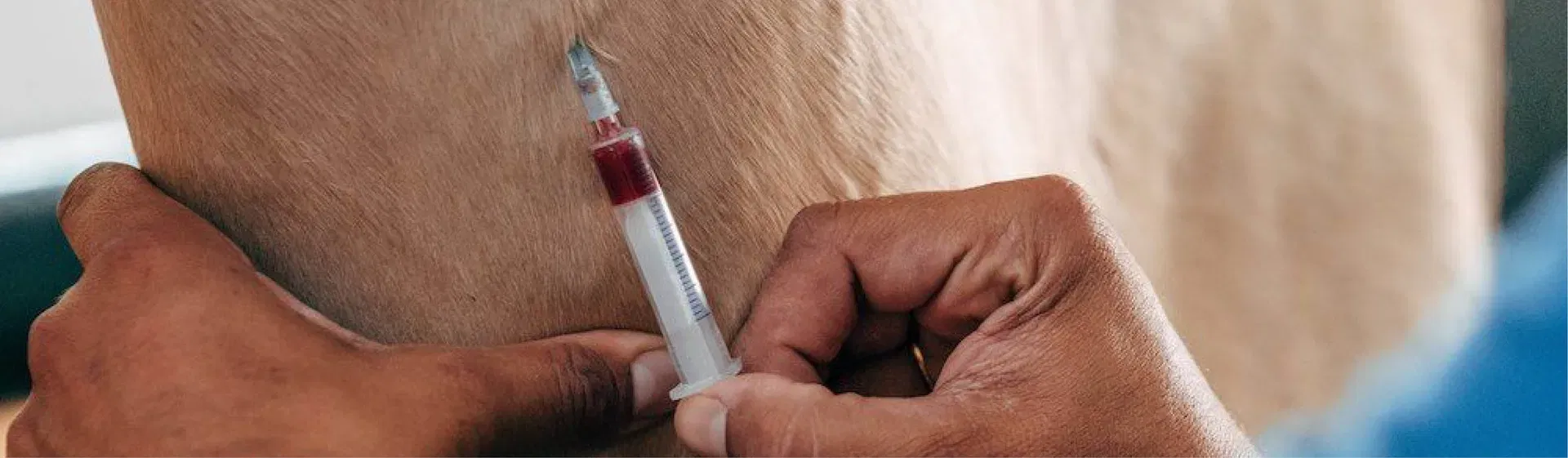
Horse blood test – what the blood test results reveal
A laboratory blood test provides important information about the horse’s state of health and is an essential part of veterinary diagnostics

Shivering in horses: symptoms, causes and management
Horses can suffer from a wide range of neurological movement disorders. One of these is a condition known as ‘shivering’, a relatively rare disorder but one that is of significant concern to owners of affected horses.

Horses’ moulting season
Horses’ coat change – what happens inside their bodies? Find out how you can best support your horse during the coat change with the right diet and care.

Tying-up in Horses
Recognising and Treating Tying-up in Horses: Clear Information on the Symptoms, Causes, First Aid and Treatment of This Muscle Disorder.

Exhaustion in horses: symptoms and treatment
Recognising over-exertion in horses: typical signs, causes and effective exercises. Includes a 12-week plan, diagnostic tips and prevention advice.
Any Questions?
You can contact us at any time. Our team will be happy to help you. 🥰
☎️ Call us: +43 3115 930 80
📧 Send us an email: office@ewalia.com
💬 Message us on WhatsApp: +43 676 3539377