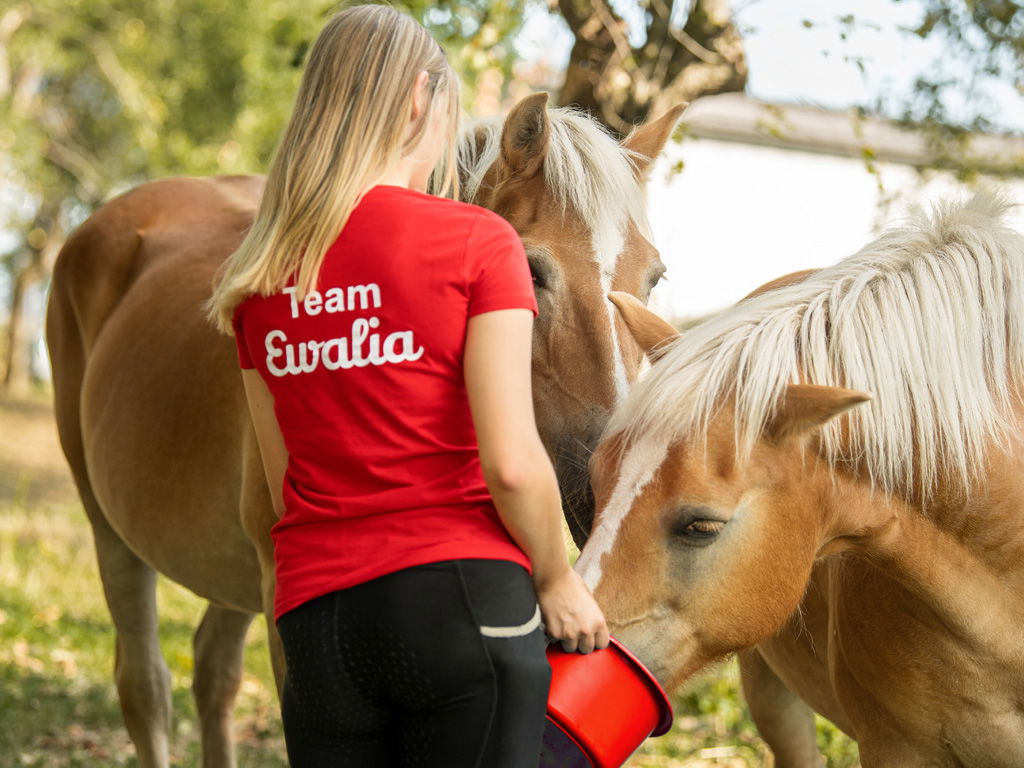


Coat Change in Horses: Process, Tips & Optimal Support


- with the power of milk thistle
- supports natural metabolic function
- with stimulating detox herbs
Coat Change in Horses: When and Why Does It Happen?
Horses shed their coat twice a year: from the thick winter coat to the light summer coat in spring, and vice versa in autumn. The main trigger for the coat change is day length. Based on the length of daylight, the pineal gland in the brain controls the hormone melatonin, which signals to the body when it's time for the coat change. In spring (roughly from January, when the days start getting longer again), the horse begins to shed its winter coat. In autumn (from August/September, when the days get shorter), the thick winter coat grows back in. Outside temperature plays a lesser role: it mainly affects how thick the coat becomes. A sudden cold snap or warm days can slightly delay or speed up the coat change, but light remains the main driver.
How long does the coat change take?
This varies from horse to horse. As a rule, the transition from winter to summer coat takes about 8–12 weeks (roughly January to March). Many horses fully shed their winter coat by April/May at the latest. The switch back to the winter coat in late summer often begins in September and is complete by November. Breed and management influence the duration and extent: hardy breeds and ponies (e.g. Icelandic horses, Shetlands, Fjord horses) grow a lot of coat and shed for correspondingly longer, while Arabians or Thoroughbreds usually have a thinner coat and shed faster. Horses kept in open stables or in cold climates often grow more winter coat than stabled horses in warm barns. Important to know: a horse produces hair all year round. If tufts of winter hair are already falling out in spring, the summer coat underneath is already largely developed – meaning the actual coat change has already been happening unseen, weeks earlier.


What happens in the body during the coat change?
The coat change is an intensive metabolic process. In a short time, the horse's body has to form millions of new hairs and shed old ones. Hair consists mainly of keratin, a protein. That's why protein production runs at full speed. At the same time, more nutrients such as amino acids, vitamins, and trace elements are needed to enable hair growth. Blood flow to the skin increases so the hair roots are well supplied – that's why regular grooming does most horses especially good at this time (it promotes circulation).
For the body, all of this represents an enormous effort: many horses seem tired or listless during this phase, because a large part of their energy and nutrients goes into the coat change. Sometimes a horse even loses some weight or muscle, as resources from fat and protein reserves are mobilized to form the new coat. The immune system is also placed under heavy strain. Without optimal nutritional support, the coat change can therefore stall or become a health risk.
Conclusion
Typical problems during the coat change: when shedding becomes a challenge
For most healthy horses, the coat change is demanding but manageable without issues. Some horses, however, need extra support, especially:
As horses age, metabolism and cell division slow down. Older horses often take longer to complete the coat change. Their winter coat often holds on longer, and shedding drags on well into spring. At the same time, seniors are more prone to nutrient deficiencies if feeding is inadequate, which can further delay the coat change. A very delayed or incomplete coat change in older horses can be a sign of health problems (e.g. Cushing's/PPID, see below).
If important nutrients are missing from the feed, the horse struggles to renew its coat. In particular, a protein deficiency or a lack of certain vitamins and trace elements (zinc, selenium, copper, etc.) causes the old coat to be “held onto,” because there aren't enough building blocks for the new hair. Such horses keep a shaggy, dull coat and keep shedding endlessly. A sluggish coat change in spring is often a sign that feeding wasn't optimal during the preceding winter (or even as early as autumn). This is commonly seen in horses that, for example, were kept on a strict diet out of fear of being overweight and are therefore undersupplied. Note: the more coat a horse has, the more nutrients it needs to maintain and regrow it. A Shetland pony with a plush coat therefore has a significantly higher need for protein, vitamins, and minerals than a fine-coated Thoroughbred.
Due to the high metabolic strain during the coat change, many horses become more susceptible to infections. Minor colds or coughing occur more often during this time. Filled/swollen legs (swollen fetlock joints) are also sometimes seen in sensitive horses – caused by the stress placed on metabolism and lymphatic flow. Skin problems in particular become more frequent: the skin can become dry and flaky during the coat change, since many nutrients go toward the hair first. In the warm, damp microclimate of a thick coat, skin fungus or eczema can also develop more easily. Itching from loose hairs causes horses to rub more often, which can cause skin irritation.
Horses with Cushing's syndrome (PPID) often show a disrupted coat change. They develop an extremely thick, long, curled coat (hirsutism) that barely sheds on its own in spring. Without support, these horses can even keep the thick coat in summer, which can lead to overheating and skin problems. In most cases, the only thing that helps is clipping the coat, unless medication and feeding adjustments are enough to resolve the coat-change problem. Metabolic disorders (e.g. underactive thyroid due to iodine deficiency) or hormonal imbalances in general can also negatively affect the coat change.
If a horse suffers greatly from the coat change (severe weight loss, extreme fatigue, persistently poor coat, health problems), you should review the feeding and, if necessary, consult the vet. With the right support, many of these problems can often be eased or avoided.
Feeding During the Coat Change – Supporting Your Horse from Within
The right nutrition is the key to helping your horse through the coat change. During the coat change, the need for nutrients increases significantly. With these feeding tips, you can support your horse optimally:


As the main component of hair, protein is essential. During the coat change, horses should receive enough high-quality protein. Good hay normally provides protein, but late-cut or overripe hay can be relatively low in protein in winter. If your horse only gets hay and straw in spring, you can support it with protein-rich feed. Alfalfa (lucerne), soy protein, or oilseeds such as flaxseed and hemp seed are valuable sources of protein. They provide essential amino acids (such as lysine, methionine, and cysteine) that the body needs for keratin formation. However, when feeding extra protein, always pay attention to tolerable amounts so as not to overload the metabolism.
A complete mineral supply is crucial now. Zinc and copper, for example, are key trace elements for a healthy coat. Zinc ensures stable hair structure and healthy skin – if zinc is lacking, the coat becomes dull and brittle, and the skin regenerates less effectively. Copper is involved, among other things, in the pigmentation and elasticity of the hair; copper deficiency often shows up as faded, dull coat and standing, shaggy hair. Selenium and manganese should also not be missing during the coat change: manganese supports collagen formation and thus the elasticity of skin and hair, while selenium is important for the immune system and works together with vitamin E to help prevent cell damage. The thyroid needs iodine to keep the metabolism (and thus indirectly the coat change) running smoothly. Tip: Feed a good mineral feed or a vitamin/trace element mix according to the manufacturer's instructions. This ensures your horse gets all the necessary micronutrients every day. Overdosing should be avoided – more isn't always better, as an extreme oversupply can also strain the body. Stick to the recommended amounts and don't randomly combine many different supplements without a plan.
If your horse loses weight or becomes very lean during the coat change, don't hesitate to slightly increase the amount of feed. Due to the increased metabolic turnover, some horses burn more calories. High-quality hay (constantly available) is the best basis. If necessary, add moderate amounts of concentrate feed or energy-rich fibers (e.g., beet pulp, hay cobs) so the horse doesn't lose condition. Oil is also a good source of energy: a splash of linseed oil or another high-quality vegetable oil in the feed provides extra calories in the form of unsaturated fatty acids (omega-3 and -6). These fatty acids also strengthen skin and coat and can give extra shine. Linseed oil in particular has proven effective, as it is rich in omega-3 fatty acids, which also have anti-inflammatory properties.
The coat change can put a strain on the liver, as many metabolic byproducts accumulate. You can support your horse's liver with herbs and special treatment courses. Milk thistle (milk thistle seeds or herb), for example, has proven effective, as it contains protective plant compounds for the liver. Nettle and dandelion are also considered traditional spring herbs that stimulate the metabolism and support elimination (they have a mild diuretic effect and also provide additional minerals). If you feed such herbs, it's best to give them as a course over a few weeks during the coat change. Make sure to use high-quality, non-toxic herbs, and consult a vet or feeding advisor if in doubt.
A popular supplementary feed during the coat change is brewer's yeast. It contains many B vitamins, amino acids, and minerals (such as zinc, iron). Brewer's yeast can support gut flora and digestion while also giving the coat a healthy shine. Horses with skin problems in particular (flaky skin, susceptibility to fungus) often benefit from brewer's yeast in their feed.
During the coat change, the body especially needs sufficient amounts of vitamin A, vitamin E, and B vitamins. Vitamin A (or its precursor beta-carotene) is important for skin and hair growth – it's found, for example, in carrots or good grass/hay varieties. Vitamin E acts as an antioxidant that protects new hair cells from oxidative stress. The B vitamins (B complex) play a major role in energy metabolism and cell division. Biotin (vitamin H) in particular is known for its positive effect on coat and hooves: during the coat change, adding biotin can be useful to support hair growth and skin regeneration. Normally, the horse's gut flora produces enough biotin on its own, but during phases of increased demand (such as coat and hair formation), additional biotin via a supplementary feed can help.
Feeding during the coat change mainly means closing supply gaps. Make sure your horse is not short on protein or on vitamins/minerals. Often, good basic feed management with plenty of hay, suitable concentrate feed, and a balanced mineral feed is already enough. Additions like oil, yeast, or herbs are the finishing touch when needs are increased. It's best to start optimizing the ration before the coat change (at the latest in late winter or late summer) so your horse enters the coat change phase with full reserves.
Care During the Coat Change - Support from the Outside
In addition to feeding, you can also support your horse through grooming measures during the coat change. The right coat care makes it easier for the horse to shed the old hair and is also good for the skin:


Daily grooming, or at least several times a week, is a must during the coat change. Your horse will enjoy the intensive grooming sessions, since it probably itches all over when the loose hairs poke. With curry combs, dandy brushes, and the like, you remove dead hair and dandruff from the coat. Vigorous brushing also stimulates blood circulation in the skin, which speeds up the hair-shedding process. So take a bit more time for grooming – it's not just about cleanliness, it's also wellness for the horse.
Many horses itch all over their body during the coat change. Regular grooming is the best way to prevent rubbing, since it reduces itching. Even so, make sure your horse has ways to scratch itself without getting hurt – for example, a rough brush on the stall wall or a scratching post in an open stable. That way it can scratch without damaging fences or doors. When grooming, also check typical rubbing spots (chest, crest of the mane, dock of the tail) for broken hair or redness and treat them if necessary with suitable care products (e.g., a skin-soothing lotion).
A horse shower can be helpful at the end of the coat change to wash out the last loose hairs and winter dust. Horses with dandruff or skin problems in particular can benefit from a shower with special horse shampoo. However, it should already be warm enough outside so the horse doesn't catch a cold. During the main spring coat change, outdoor temperatures are often still cool – so thorough grooming is preferred over washing.
Some horses are already clipped in late winter (e.g., sport horses that sweat heavily). If your horse was clipped in winter, this naturally makes the spring coat change easier – it has less hair to shed. Horses that are not clipped, on the other hand, develop a full winter coat. In this case, they may sweat a lot in March/April if there's a sudden warm spell, because the winter coat hasn't fully gone yet. In that case, support your horse by possibly partially clipping it (e.g., just the neck and chest) or by blanketing it appropriately. A light blanket at night can help an early-clipped horse avoid getting cold during cold snaps, while others are already shedding their coat. Rule of thumb: adjust management and blanketing to your horse's coat change. It shouldn't sweat under a thick coat in the spring sun, nor shiver with a thin coat during a late frost. When in doubt, it's better to blanket a horse that already has thin hair when it's cold than to slow down its coat change through constant cold exposure.
During the coat change, it's worth keeping an eye on your horse's skin. As mentioned, the strain can often lead to skin irritation, fungal spots, or mud fever/eczema. When grooming, check the skin for redness, crusts, or bald patches. If you notice anything unusual, treat it early. For persistent or widespread skin problems, a vet should be consulted. Good coat care (clean brushes, keeping the horse dry, brushing sweat out of the coat after training) can help prevent many skin problems.
During the coat-change period, also keep your tack and blankets clean. In the hairy spring weeks, huge amounts of hair collect in saddle pads, sweat rugs, and even in the stable. Remove loose hair from blankets (there are special lint brushes or rubber gloves for this) and wash saddle pads more often. Hair-free equipment prevents skin irritation under the saddle and also makes life more pleasant for you as a rider.
There are special coat-change helper brushes and curry combs that are especially effective at getting rid of loose hair. For example, rubber curry combs, spring curry combs (with fine metal loops), or so-called coat-change combs help comb out the thick winter coat. Rubber gloves with nubs or massage brushes can also pick up loose hair well while gently massaging at the same time. Try out which brush your horse finds most pleasant – some love the metal curry comb, while others need softer rubber. It's important to brush in the direction of the coat with a bit of pressure to loosen the undercoat. Caution with sensitive horses: it's better to start with gentler brushes so it doesn't pull uncomfortably.
Conclusion
Frequently Asked Questions About Coat Change in Horses 💡
The coat change starts right in the middle of winter: from around late December/early January, the days slowly get longer, which causes the horse to produce less melatonin. This signal triggers the shedding of the winter coat. The coat change usually becomes visible from February onward, when the first tufts of wool start coming out of the coat. Young, healthy horses often start shedding earlier, while older or sick horses start a bit later. The exact starting point varies depending on climate, housing, and the individual horse – but roughly speaking: it starts in late winter with the shedding of the winter coat. The autumn coat change (summer to winter coat) becomes noticeable from around September onward, when the days get shorter.
The best way to support your horse during the coat change is with optimized feeding and intensive care. Make sure it gets all the important nutrients: enough protein (e.g., via alfalfa or a bit of mash), sufficient mineral feed for zinc, selenium & co., and if needed, vitamins/biotin as a supplement. Many horses also appreciate brewer's yeast or linseed oil in their feed during this time. At the same time, you should curry-comb and brush your horse often so the old hair comes out and the skin gets more blood flow. Daily grooming relieves itching and can somewhat speed up the coat change. Also pay attention to its well-being: does it need a blanket in the cold because it already has little coat left? Or is it sweating in the midday sun and might need clipping? By paying attention to both feeding and care, you help your horse get through the coat change stress-free.
Not every horse necessarily needs extra feed if the basic diet is right. However, a balanced mineral feed should be standard year-round – it provides trace elements like zinc, copper, and manganese, which are especially important during the coat change. If your horse gets enough protein and energy from hay, grass, and possibly concentrate feed, no major changes in feed amounts are necessary. Useful, however, can be targeted supplements: many owners like to feed brewer's yeast (for B vitamins and gut health), flaxseed or linseed oil (for fatty acids and protein), and biotin or special coat-change herbal blends during the coat change. These can help, but they are not a must. What matters is that no deficiencies occur. So first check whether your horse might be getting too little (e.g., analyze the hay for protein or have a blood test done if you're unsure). Too much of a good thing should also be avoided, though: please don't feed all available powders indiscriminately at the same time. Stick to recommendations and observe what your horse really needs. Small courses lasting 4–8 weeks with one or two selected products (e.g., yeast + oil) are often enough to see a positive effect.
Optimal detoxification is essential during the coat change. During this time, the liver and kidneys are under heavy strain and need support. A detox cure is a simple method to promote health from within, relieve the detox organs liver and kidney, and strengthen the immune system.
The Liver-Kidney Liquid supports the body's own detoxification processes and helps with skin issues such as eczema, itching, and dandruff. It supports an optimal metabolism, a shiny coat, and natural detoxification.
If a horse still hasn't properly shed its winter coat late into spring, the cause should be investigated. Common reasons include age-related weakness or Cushing's syndrome (PPID). For older horses, it often helps to upgrade the feeding (especially protein and minerals) and possibly support with B vitamins. If PPID is involved, the horse needs veterinary treatment. A nutrient-rich diet can also be given to support such horses. In general: if the old coat is still there in summer, clipping can provide relief for the horse. A short clip in April/May ensures it doesn't sweat under the old coat. At the same time, blood tests or a check-up should clarify why the coat change isn't happening. Sometimes parasites (chewing lice, mites) are also responsible for keeping the coat shaggy – thorough parasite treatment (washing, insecticides as directed) may then be necessary. Normally, however, the winter coat should be completely gone by June at the latest. If this is not the case, please consult a veterinarian.
The duration of the coat change depends on many factors. On average, you can say that the spring coat change takes about 8 to 10 weeks until the full summer coat is in. Some horses are almost hair-free by the end of March, while others keep shedding into May. The autumn coat change is often a bit faster; within about 6–8 weeks, the thick winter coat has usually grown back completely (roughly from September to October/November). In both cases, it can take longer for older horses or those with metabolic problems. Important: the coat change runs continuously – it's often already complete before we've brushed out the last hair. If a horse is still carrying tufts of winter coat in June, something is probably not right.


Frequently Asked Questions💡
For problems/complaints: 👉 Here we recommend the 6-liter course
At the start, we recommend feeding the increased amount (3x the daily dose). Stay on the high dosage until an improvement occurs, plus 2 more days. Then feed 2x the normal dose. If the improvement continues, feed the remaining bottles at the normal dosage. How much needs to be fed always depends on the individual problem – i.e. whether improvement occurs faster or not.
For prevention: 👉 Here we recommend the 3-liter course
To prevent problems and support general wellbeing: preventively, meaning no increased amount, just the normal dose for at least three weeks.
Not sure whether your horse will eat our products? No problem! We offer our EWALIA Palatability Guarantee.
If your horse doesn't accept our products, we'll refund you the full purchase price. How does it work and what do you need to keep in mind? Simply send the products back to us within 30 days of purchase and fill out our form with the details of your order, a short, uncut video of your horse, and the proof of purchase.
If you bought your EWALIA products from a retailer, contact the retailer directly within 30 days of purchase with your proof of purchase and video. They will refund the purchase price immediately. The Palatability Guarantee can be used once per customer on products ordered for the first time. Per order, the guarantee applies to up to two different products.
You can find more information about our Palatability Guarantee here in our terms and conditions: Palatability Guarantee.
1. Better absorption and availability
Herbal liquids contain the active ingredients in dissolved form, which makes absorption in the body easier. This is especially beneficial for animals with sensitive digestion or poor chewing ability (e.g. older horses or dogs), which often tolerate them better.
2. Higher bioavailability
Thanks to the liquid form, nutrients and secondary plant compounds are absorbed into the bloodstream faster, so they take effect more quickly. Dried herbs first have to be broken down in the digestive tract, which takes longer.
3. No dust exposure
Dried herbs can be dusty, which can be problematic especially for sensitive airways (e.g. horses with COPD or dogs with allergies). Herbal liquids are dust-free and therefore also suitable for animals with respiratory conditions.
4. Easier dosing & feeding
Herbal liquids can be mixed into feed more easily or given directly into the mouth. Especially with picky animals, the liquid form can be advantageous, as acceptance is often higher than with bitter-tasting dried herbs.
5. No risk from inferior feed quality
Some dried herbs lose their active ingredients due to improper storage or contain fungi, mold, or contaminants. High-quality herbal liquids are freshly pressed and gently processed, so the ingredients are largely preserved.
We recommend feeding our product twice a day. This ensures that the body can absorb the valuable herbal active ingredients optimally. One option is to prepare the feed the evening before for the morning feeding by the stable hand etc., as long as it's given within 24 hours (especially important in summer). Alternatively, one portion can be fed before and one after the riding session.
If twice-daily feeding isn't possible, we recommend administering 80% of the total daily dose to achieve the desired effect. For example, that would be 112 ml once daily for a total daily dose of 140 ml (70 ml + 70 ml). Our experience shows that regular twice-daily feeding is the best option to make full use of the effectiveness of our products.
You can find all further questions in our 👉 FAQS
Our products serve as a supportive measure in the form of a complementary feed and do not replace veterinary examinations.
Yes, up to 3 Liquids can be fed at the same time.